Control Slopes and Create Usable Yard Space
Retaining Wall Install & Repair in Piney Flats for properties with erosion problems or sloped terrain that limits yard functionality
Moffitt Grading and Land Management builds and repairs retaining walls throughout Piney Flats, using timber, block, or stone materials to hold back soil on sloped properties and prevent ongoing erosion damage. If water runs down your hillside during storms and carves gullies into the slope, or if your yard drops off sharply and leaves you with no flat space for parking, play areas, or gardens, a retaining wall restructures the grade and gives you stable, level ground where none existed before.
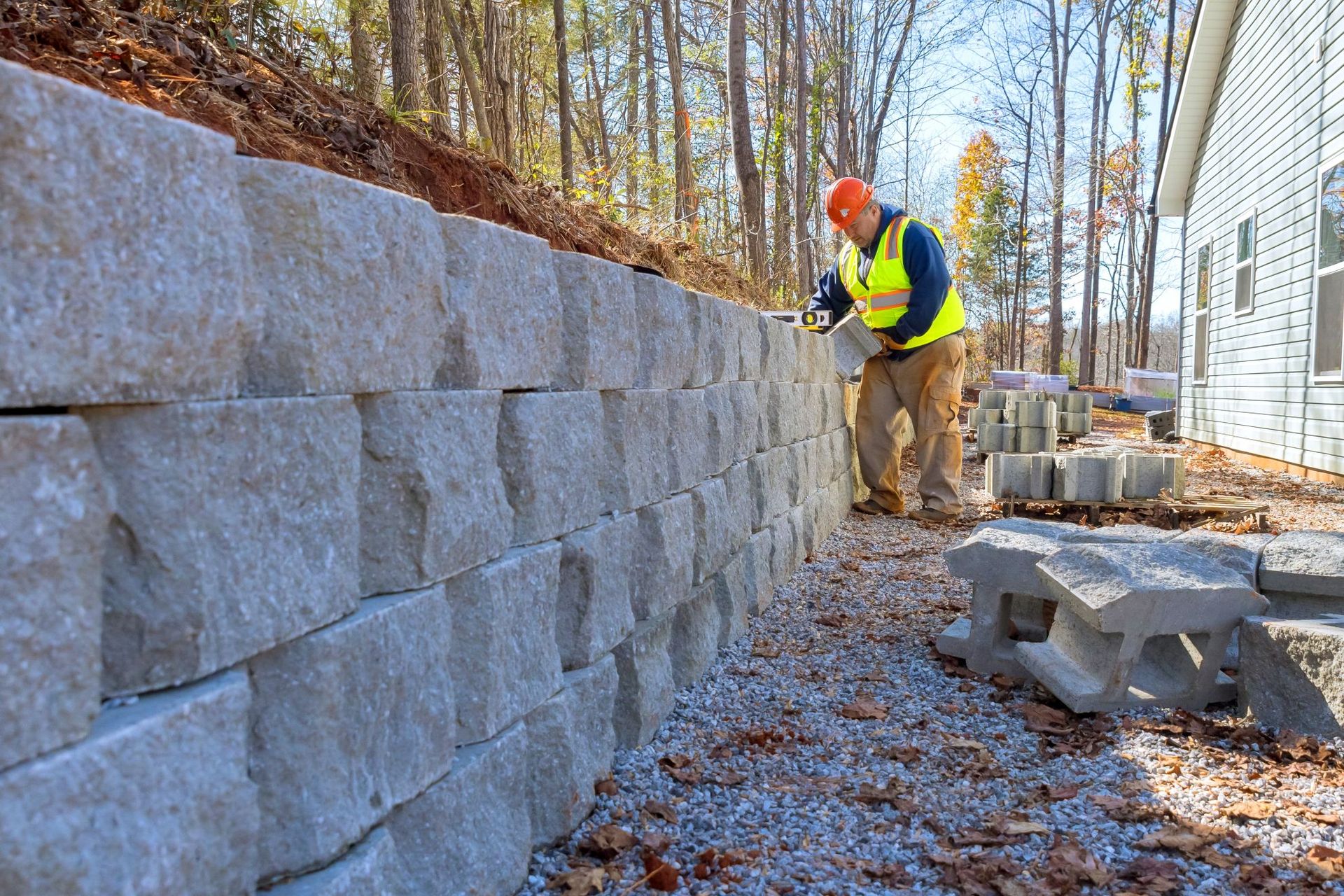
The installation process begins with site assessment to determine wall height, foundation depth, and drainage requirements based on soil type and slope angle. The crew excavates the footer area, lays a compacted gravel base, and sets the first course level before stacking additional rows with proper backfill and drainage aggregate behind the wall face. Timber walls use treated posts and horizontal planks anchored into the slope, block walls interlock with pins or adhesive, and stone walls rely on weight and careful placement to resist soil pressure. Each design integrates with the surrounding grade and directs water through weep holes or perforated pipe to prevent hydrostatic buildup that can push the wall forward over time.
Schedule a retaining wall consultation to evaluate your property and discuss material options that fit your budget and site conditions in Piney Flats.
How Retaining Walls Change Property Function and Stability
The crew digs into the slope to create a level bench behind the wall location, removing loose soil and organic material before placing the base course on compacted aggregate. They check level and alignment at each row, stepping back the face slightly to lean into the hillside and counteract soil pressure. Backfill goes in behind the wall in lifts, compacted in layers to prevent settling and maintain contact between the soil mass and the wall structure.
After installation, you will see a clean vertical or stepped face holding back the slope, with level ground above and below the wall ready for lawn, pavers, or other surface treatments. Moffitt Grading and Land Management ensures the wall ties into existing grades at both ends, preventing water from running around the structure and undermining the foundation. Erosion stops at the wall face, and your property gains usable space that was previously too steep or unstable for regular activity.
Walls taller than four feet may require engineering approval depending on local regulations and soil conditions, and the service includes coordination with permitting authorities when necessary. Repairs address tilting, cracking, or bulging caused by poor drainage or inadequate foundation work, with the crew removing damaged sections and rebuilding with proper backfill and drainage to restore structural integrity.
Common Questions About Retaining Wall Construction
Property owners in Piney Flats often want to understand material longevity, drainage needs, and design flexibility before committing to a retaining wall project.
What material works best for a retaining wall in sloped terrain?
Timber offers lower upfront cost and easier installation for shorter walls, while block and stone provide greater durability and design options for taller structures or high-visibility areas where appearance matters.
How does drainage prevent retaining wall failure?
Gravel backfill and perforated pipe channel groundwater away from the wall, reducing hydrostatic pressure that can push the structure forward or cause cracking and bulging over time.
When should a retaining wall be repaired instead of replaced?
Repairs work when only a few sections show damage and the foundation remains sound, but full replacement is necessary if the wall leans significantly or the base has shifted due to erosion or settlement.
How much level space can a retaining wall create on a sloped property?
Height and slope angle determine the width of the bench behind the wall, with taller walls on steeper slopes yielding wider flat areas suitable for driveways, patios, or lawn zones.
Why do some retaining walls crack or lean after a few years?
Inadequate drainage, poor compaction of backfill, or shallow foundation depth allow water pressure and soil movement to destabilize the structure, leading to visible damage that worsens with each heavy rain.
Reach out to Moffitt Grading and Land Management to discuss your slope control needs and get a detailed assessment of wall options for your Piney Flats property.